Home Electrical Safety: A Guide to Identifying Live Wires

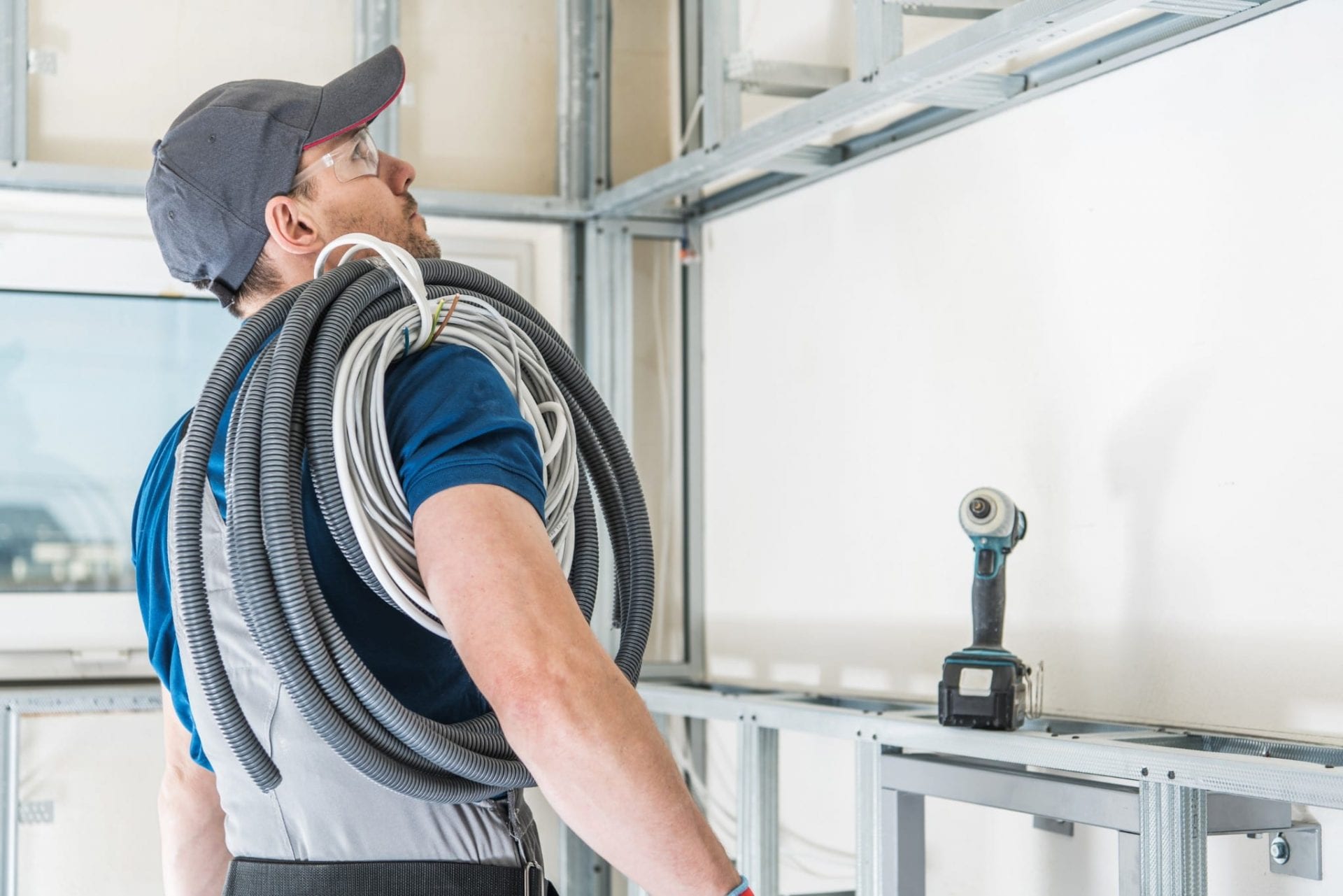
The identification of live wires is an essential part of working with electrical wiring. Whether you’re an experienced electrician or a homeowner trying to fix an electrical issue it is essential to understand how to recognize live wires, and take the appropriate precautions to avoid dangers from accidents. The following article we’ll examine the importance of identifying live wires, as well as the steps you should take when working with electrical wiring.
Working with electrical wiring can be very dangerous It’s crucial to understand the risks associated with it. Electrocution is a real danger, and can cause serious injuries, or even death. It’s important to ensure that you are well-equipped and tools to work with electrical wiring safely.
Understanding Electrical Wiring Basics
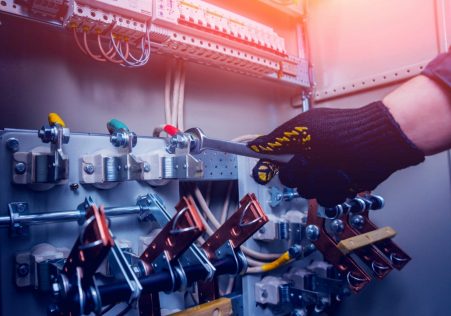
Before we begin to identify live wires, it is important to know what they are. Live wires transport electrical current, and can be risky if not dealt with properly. When it comes to electrical connections, there are three types of wires: hot, neutral, as well as ground wires. The hot wires carry the electrical current while neutral wires carry return current while ground wires are responsible for providing an uninvolved pathway for excess current to flow.
Tips and Precautions to Identify Live Wires
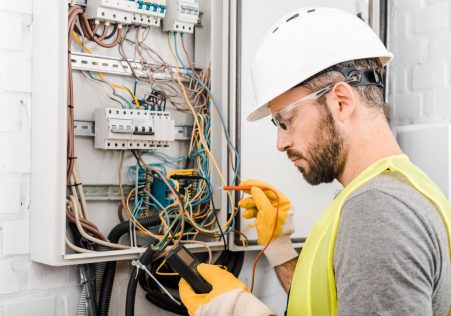
Identifying live wires requires the use of the appropriate tools and precautions. A few of the essential tools is a non-contact voltage tester, which is a device that can detect electrical currents without making contact with the wires. It is also essential to switch off the power source to the circuit you’re working on and to wear safety equipment, including the gloves you wear and protective glasses.
How to Identify Live Wires
Here are step-by-step instructions for identifying live wires:
- Turn off the power to the circuit that you’ll be working on.
- Utilize a non-contact voltage tester to detect the presence of live wires. Place the tester close to the wire, and if the tester detects voltage, the tester will sound a beep or flash.
- Utilize a circuit breaker finder to locate the circuit breaker controlling the circuit. This will permit you to shut off the power to the circuit.
What To Do When You Find an Unusual Wire
If you find live wires It’s crucial to switch off the power supply to the circuit as soon as you notice it. If you’re unsure about what to do you should get help from a professional. The power off will stop any current of electricity from passing through the wires. It will also lower the risk of injury or electrocution.
Conclusion
The identification of live wires is an essential aspect in working around electrical wiring. It is essential to take essential precautions, like making use of the correct tools and shutting off the powerto avoid accident. If you’re uncertain about how to recognize live wires or have any questions about electrical wiring, don’t hesitate to contact a professional electrician for assistance, such as Local Electrician Manly at 1300 610 481. They will assist you with any electrical problems and ensure that your home is safe and up to code.